 046-223-44-55
  046-223-33-44
  146
146 
Hawassa City
Many say that the main reason for the foundation of the city of Hawassa was the natural beauty of the city and its surroundings, and the Hawassa Lake located in the Great Rift Valley of East Africa. The city of Hawassa got its name from this Hawassa Lake, which translates to "broad" in the Sidama language.
Hawassa City is a modern city founded in 1952, 275 km from Addis Ababa, on the Shore of Hawassa Lake, on the highway connecting Ethiopia and the eastern parts of the continent with South Africa, following the inauguration of Emperor Hailesilassie's Loke Palace in 1951. Hawassa now serves as the capital of the Sidama National Regional State.
Hawassa city, which is primarily based on tourism and industrial development, plays a significant role in economic and social activities, both at the national and regional levels, and is currently a leading city in tourism, trade, investment, etc.
Absolute location
Hawassa city is bordered by Lake Hawassa in the west, Oromia Region in the north, Wondogenet District in the east, and Shebedino District in the south. Hawassa city is located on the Great East African Corridor at latitude North 6055’0’’ -706’0’’ and longitude East 380 25’0’’ to 380 34’0’’ 38°28′, and at an elevation of 1,708 meters (5,604 feet) above sea level.
Hawassa is located 1125 km from Nairobi, the capital of Kenya, 23 km from Shashemene town, 226 km from Bishoftu town, 225 km from Adama town, 90 km from Dilla town, 200 km from Mojo town, and 110 km from Zway /Batu/ town.
Temperature and Rainfall
The City of Hawassa enjoys favorable climatic conditions because of its geographic location on the shores of Lake Hawassa, The sky is generally clear, fog is uncommon, the temperature is mild, and the moderate winds often have a positive influence on the temperature.
Rainfall mostly occurs in the summer season. Daily minimum and maximum temperature is almost moderate, the minimum monthly average temperature is 13.5◦c and monthly average maximum temperature is 30.5◦c.
Total area
The total area of Hawassa city is 157.2 square kilometers, of which the current main part of the city occupies 50 square kilometers, and the remaining area is estimated to cover 11 rural districts.
Population
Various historical sources indicate that the population of Hawassa city, when it was established as a city in 1952, did not exceed 3,000. According to the 1987 Housing and Population Census, the city's population was 103,000, while the 1999 National Housing and Population Census reported that the city's population was 525,053 in 2015. According to the 2016 Socioeconomic Data of Hawassa City, the current total population of Hawassa city is 535,467, of which 275,516 (51.4%) are males and 259,951 (48.5%) are females. The annual population growth rate of the city is 4.02%, 4.8% in urban areas, and 2.8% in rural areas.
When looking at the age distribution of the population of Hawassa city, it is said that 65 percent of the total population is under 25 years of age and 5.5 percent is over 50 years of age. This shows that the majority of the population is young.
Foundation & Growth
The city of Hawassa was founded in 1952 E.C during the reign of Emperor Haile Selassie I. Various historical documents explain that its establishment was primarily due to the local prosperity, which made the city a tourist destination and industrial center.
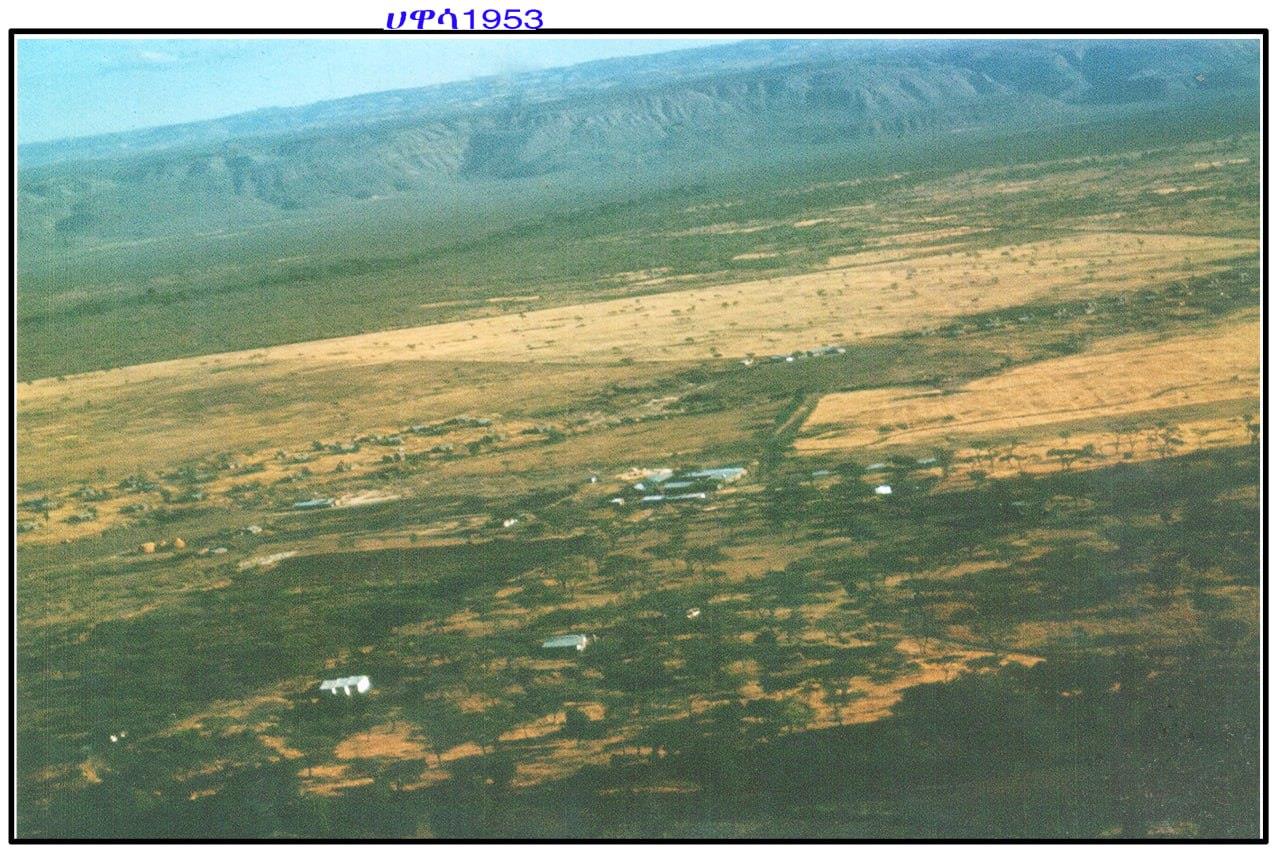
The city's Urbanization growth rate.
- When the city was founded in 1952, it was initially intended as a small tourist destination, but at the time it was intended to house of 404 retired soldiers of Emperor Haile Selassie I, who came from Addis Ababa, Harar, Korum, and Ukro.
- In 1958, the city of Hawassa grew to become the seat of Abela Tula district.
- In 1960, it was chosen as the capital of Sidamo District due to its rapid growth.
- In 1985, the city became the seat of the Southern Nations, Nationalities and Peoples' Organization and the capital of the Sidama Zone following the fall of the Derg government.
- It has been serving as the capital of the Sidama National Regional State since July 2012.
- Hawassa's current urban status is a regio-polis, and the city has a 176-member city council headed by a mayor, which carries out government work with 19 departments and 3 offices. The city is organized into eight sub-cities and 32 kebeles. The sub-cities of are Tula, Tabor, Addis Ketema, Menaheria, Misraq, Bahil Adarash, Haiqdar, and Mehal Ketema.
Infrastructure፤-
Hawassa City is undergoing extensive infrastructure development to accelerate the city's development and facilitate the comprehensive movement of people.
Therefore, current information indicates that the city has 100.3 kilometers of asphalt, 361.21 kilometers of decorative stone pavement, 208.55 kilometers of red ash, 123.99 kilometers of gravel, 41.91 kilometers of sidewalk asphalt, 43.92 kilometers of sidewalk terrazzo, 50.32 kilometers of side walk decorative stone pavement, 3.2 kilometers of bicycle paths, and 21.45 kilometers of roadside lights.
Corridor Development - The corridor development, which is designed to facilitate the overall activities of the city, modernize the transportation flow of citizens, enhance the appearance of the city, and enhance the overall economy of the city, has been widely launched in Hawassa City. The initial plan covers about 43.98 kilometers, including 14.74 for cars, 12.71 for bicycles, and 15.53 for pedestrians.
Regarding other basic services, the city's coverage of clean drinking water supply has reached 78.2 percent and power supply has reached 100 percent.
Regarding urban transportation services, work is being done extensively to prevent traffic accidents and air pollution and to build a convenient transportation service system, by expanding main roads, public transportation, pedestrian and bicycle paths, and facilitating the activities of the city. Currently, city buses, Kwit taxis, tricycles, etc. are providing services in the city.
Social Sectors Development
Among the sectors that have shown consistent and rapid growth in Hawassa City, the social sector occupies the highest position, enabling the city to become a leading and major medical, educational, and research center in the country.
Education
According to current information, the education sector in Hawassa City is growing rapidly at all levels and types, and there are 4 state-run colleges, including Hawassa City University, 7 private colleges providing training in various vocational and academic fields, 42 state kindergartens, 123 private kindergartens, 42 state primary schools, 101 private primary schools, 14 state secondary schools, and 18 private secondary schools.
Health Services
Similarly, Hawassa city has come a long way in the field of healthcare and health tourism, and Hawassa referral and many private hospitals have reached the level of providing high-quality treatment, attracting thousands of citizens from many parts of the country to Hawassa every year. 1 referral hospital, 4 large government branch hospitals, 5 private hospitals, 7 health centers, 15 health posts, 15 private clinics, 46 pharmacies, 2 diagnostic laboratories and 55 pharmacies provide services in the medical sector. In addition, online medical consultation services are being expanded to provide citizens with modern medical services.
Financial Services
There are many financial service providers in the city, including the Commercial Bank of Ethiopia, Dashen Bank, Development Bank, Anbessa Bank, Nib Bank, Awash Bank, Union Bank, Abyssinia Bank, Berhan Bank, Bunna Bank, Abay Bank, Addis Bank, Oromia Cooperative Bank, Oromia International Bank and South-Global Bank, Sidama Bank, Sinqe Bank, etc., as well as institutions that provide small loans and savings services.
Industry and Trade
Hawassa is one of the country's consumer centers and the heart of its industrial and commercial activities. The city currently serves as a center for state-owned corporations and privately owned industrial and commercial companies. Hawassa's main industries include food processing and consumer goods (e.g. beer, textiles, and footwear), which are primarily produced for both domestic and export markets. Construction and various service industries also contribute to the city's economy.
Investment
In the Rift Valley, by using Lake Hawassa, the local green nature and abundant resources as investment options and taking advantage of other favorable investment conditions, it is possible to engage and be effective in hotels, large shopping malls, education and health sectors, tourism industry, real estate, paint factories, corrugated and nail factories, textiles, soap factories, cement factories, soft drinks factories, beer / alcohol / factories, urban agriculture, etc.
There are many favorable conditions that make investment in Hawassa feasible, including the city's central location, close proximity to Addis Ababa and the tributary cities of its seroundings, the availability of raw materials for any service, the presence of a large market opportunity in the area, the existence of a clear and attractive investment policy that allows investors to invest, the city administration's ability to treat investors, the hospitality of the people, the availability of sufficient manpower, the preparation of more than 103 thousand hectares of land with sufficient infrastructure including high supply of electricity and water for various investment options, and the presence of more than 23 financial institutions that support the financial system.
City's income/economy
Hawassa city has various sources of income that can be used to achieve its proper development. The main economic sources of the city include the service sector, the industrial sector, the agricultural sector, the financial sector, the tourism sector, etc. The city administration also levies and collects fees and taxes in accordance with the authority granted by law.
Its tax collection capacity allows it to finance the city's social services such as health and education, critical infrastructure such as electricity and roads, and other public goods. The city also generates revenue from a variety of sources, including manufacturing, transportation, hotels and tourism, construction, wholesale and retail, and other sectors.
Tourism
The development of Hawassa city is believed to be related to making the city a tourist destination. Today, it can be said that any domestic or foreign tourist who visits Hawassa will have a special experience and will return with unforgettable memories. The natural beauties of Hawassa and the surrounding area, rich cultural and social interactions, modern and large hotels and financial services, the availability of transportation options, sufficient and modern infrastructure and social developments, the expansion of modern communication networks, the peace of the city and the hospitality of the people, etc. have made the city a preferred tourist destination.
Sports and sporting activities
Historical records indicate that Hawassa has played a significant role in national sports activities in the fields of football, handball, and athletics, producing large and prestigious clubs and athletes. Based on the government's sports development policy, various associations have been organized and participated in sports to ensure that sports have a public base and participation, and by developing sports facilities and increasing their capacity, the city has reached a point where it can host large national and international competitions and benefit from the sector.
===////===