 046-223-44-55
  046-223-33-44
  146
146 
Lake Hawassa
Lake Hawassa is a very important natural resource of the city. It is one of the natural gifts which are considered as the main reason for the establishment of Hawassa and its naming.
The lake is 16 km long and 9 km wide, with a surface area of 129 square kilometers. It is located at an elevation of 1,708 meters. The maximum and mean depth of the lake is about 22 m and 11 m, respectively. Lake Hawassa is ecologically very important and is home to eight species of fish (Dadebo 2000; Tekle-Giorgis et al. 2017), pelicans, storks, herons, hammer kops, sea eagles and kingfishers.
The lake is the biggest natural attraction of the city. A gentle chain of mountains and a low plateau surrounded the Lake, opening to wide, low bay in the south. Swampy bays interspersed with volcanic rocks, sandy shores with bare rock hill, and every formulation of terrain imaginable can be found near Hawassa. The Lake is full of a great variety of fish and bird specious.
It is an ideal lake surrounded by rolling hills everywhere. It was formed during one of the ancient volcanic eruptions. It is one of the crater lakes of the country with a diversified natural specious. Like other rift valley lakes, lake Hawassa and the surrounding area offers a pleasant view of bird specious and other aquatic animals, like hippopotamus. Different associations around the lake offer boat transportation along the lake. One can also rent a row boat or motorboat to conduct a trip along the lake which helps observe the bio-diversity of the lake. With a rowing boat a trip across the lake takes at least three hours.
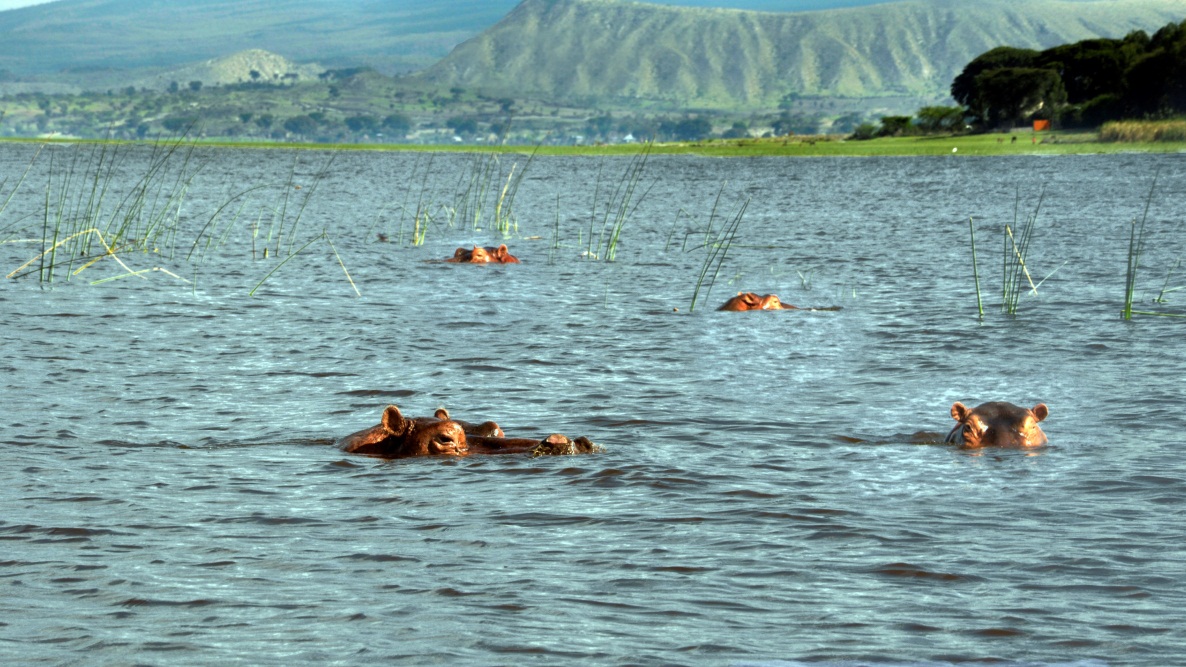
A herd of hippos in Lake Hawasa
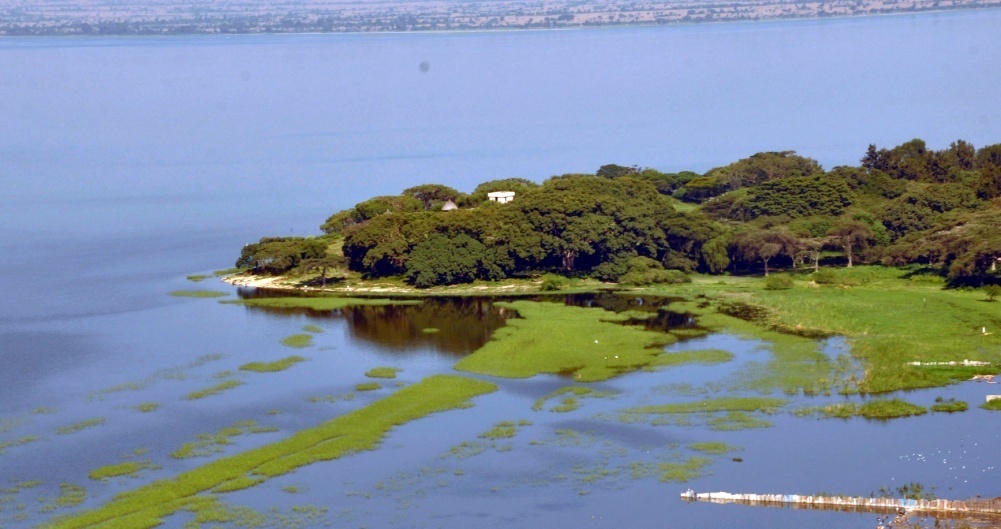
Lake Ecosystem:- Lake Hawassa is a fresh closed lake inhabited by different bird and fish specious. The seasonal increase and decrease of the level of lake favors biodiversity and growth of long grasses along its shores. This helps a development in phytoplankton and zooplankton in the lake that is fed by the aquatic creatures. It is due to this fact that the lake is termed as one of the richest and productive lakes of the country.
Morphology:-The Lake stretches 16 Kilo meters to the NE-SW direction (the longest axis) and 9Kms to the SE- NW direction (the shortest axis) with a maximum depth of 21 meters at its NE part and decrease in depth to the shores. From the bathymetric contour line the lake bottom topography follows the orientation of the lake surface; oval shaped with its elongated structure oriented NE-SW and flat bottom at its deepest part.
Tourism potential of the Lake
The moist air that blows across the lake and the horizon at the sun set adds the aesthetical value of the scope. Different birds specious around the lake are also major attractions. The breeze of cooling air in the morning and evening hours roll the lake with gentle fides and wash millions of planktons to the shore to be devoured by fishes. Boating on the Lake Hawassa with spectacular and breath taking view of the setting sun is a moment of tranquility among visitors. Medium and small motor boats carry passengers to and from Haile and Lewi resorts and Amoragedel that are found on the shore and peninsula of the lake. This offers an excellent chance for tourists to see the length and the width of the lake on all directions.
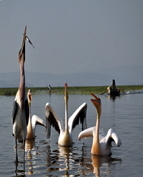
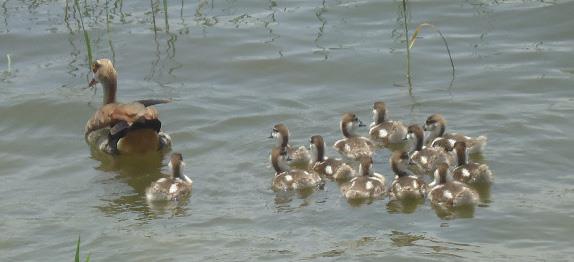
Birds of Lake Hawassa: - Fish eagle, silvery-cheeked hornbill, grey kestrel, several type of weaver, and the endemic black-winged lovebird, yellow-fronted parrot, banded barbet and Ethiopian oriole are common in patches of forest. Blue-headed causal, Bruce’s green pigeon and white-rumpled babbler are regular in the marshy scrub east of the foot path. A variety of herons, storks (Hammer kop), terns, plovers and waders are to be seen in the water or along the shore, and there is perhaps no better place in Africa to see the colorful and localized pygmy goose.
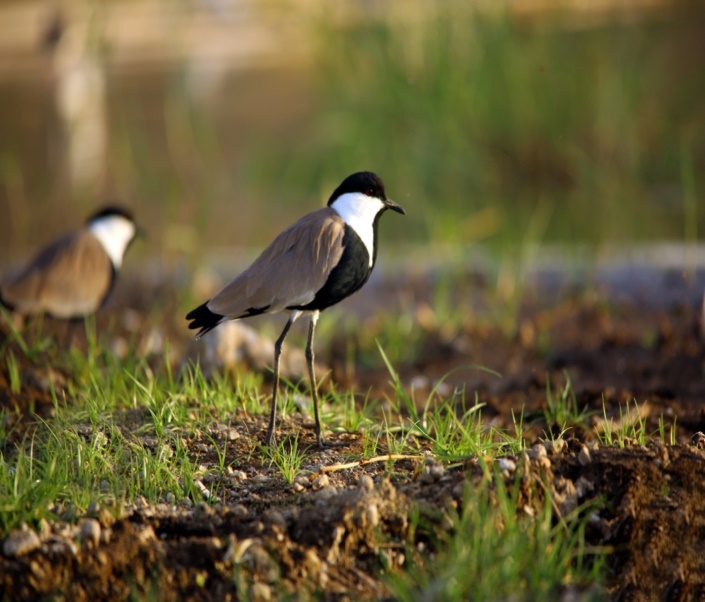
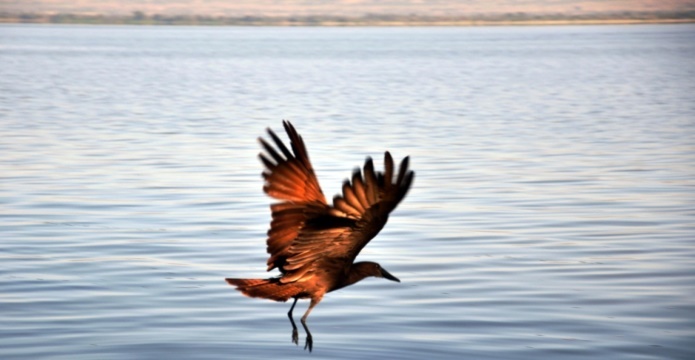
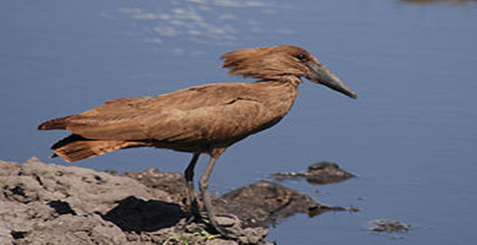
The hammer kop (Scopus umbretta):- is a medium sized wading bird (56 cm long, weighing 470g). The shape of its head with a curved bill and crest at the back is reminiscent of a hammer, hence its name. Its plumage is a drab brown with purple iridescence on the back. The bill is long, flat, and slightly hooked. The hammer kop has partially webbed feet. Its middle toe is comb-like. Its tail is short and its wings are big, wide, and round-tipped; it soars well.
The hammer kop’s behavior is unlike other birds. One unusual feature is that up to ten birds join in “ceremonies” in which they run circles around each other, all calling loudly, raising their crests, fluttering their wings. Another is “false mounting”, in which one bird stands on top of another and appears to mount it, but they may not be mates and do not copulate.
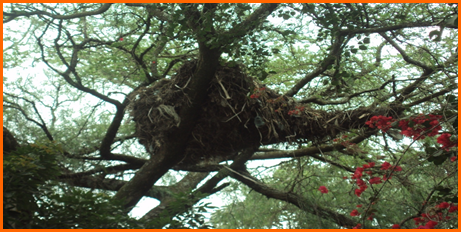
The strangest aspect of hammer kop behavior is the huge nest, sometimes more than 1.5m across, comprising perhaps 10,000 sticks and strong enough to support a man’s weight. These birds are compulsive nest builders, constructing 3 to 5 nests per year whether they are breeding or not.
Aquatic animals: - The Hippopotamus is semi-aquatic, inhabiting rivers, lakes and mangrove swamps, where territorial bulls preside over a stretch of river and groups of 5 to 30 females and young. During the day, they remain cool by staying in the water or mud; reproduction and childbirth both occur in water. They emerge at dusk to graze on grass. While hippopotamuses rest near each other in the water, grazing is a solitary activity and hippos are not territorial on land. Hippos are recognizable by their barrel-shaped torso, enormous mouth and teeth, nearly hairless body, stubby legs and tremendous size. It is the third largest land mammal by weight (between 1½ and 3 tones), behind the white rhinoceros (1½ to 3½ tones) and the three species of elephant (3 to 9 tones). The hippopotamus is one of the largest quadrupeds and, despite its stocky shape and short legs; it can easily outrun a human. Hippos have been clocked at 30 km/h (19 mph) over short distances. The hippopotamus is one of the most aggressive creatures in the world and is often regarded as one of the most dangerous animals in Africa.
The eyes, ears, and nostrils of hippos are placed high on the roof of the skull. This allows them to be in the water with most of their body submerged in the waters and mud of tropical rivers to stay cool and prevent sunburn. Hippos leave the water at dusk and travel inland, sometimes up to 8 kilometers, to graze on short grass, their main source of food. They spend four to five hours grazing and can consume 68 kilograms of grass each night.
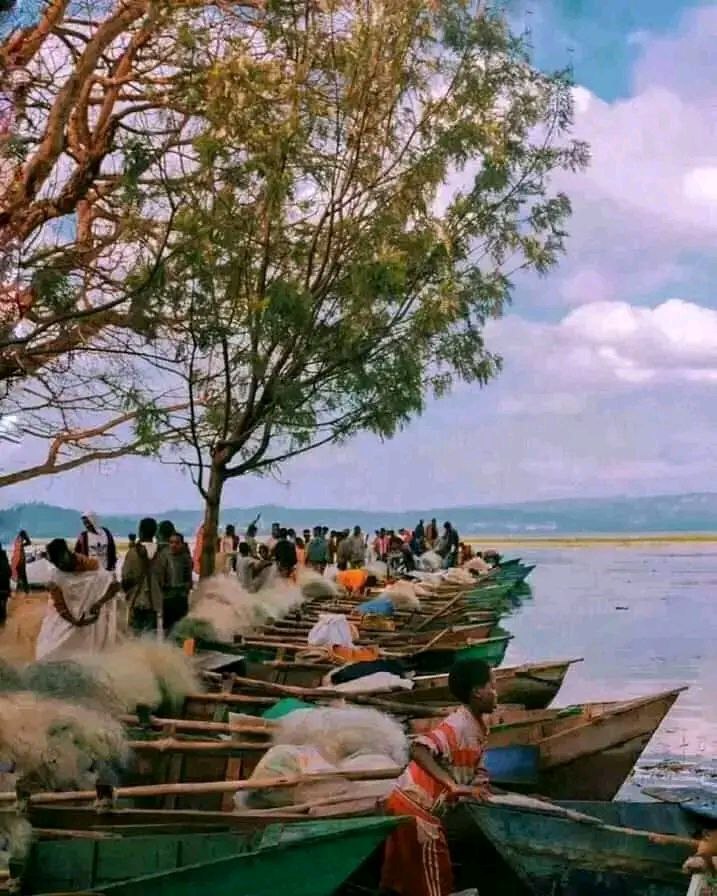
AmoraGedel and Fish Market: - Every morning the fisher men arrive there with wooden rowing boats loaded with tilapia and other fish species. Fish market (AsaGebeya) is an in late to lake Hawassa, about one kilo meter from Oasis International hotel. The long row of boats full of fresh fishes, the nets losing and fish filleting boys, vendors of plastic tents and bread, fish soup cooking women, marabous, pelicans and other birds who feed on the leftover of fishes and other features attract visitors to the area. The area is also full of wondering goats and sheep’s in search of leftover food in the open fish market. Paying some amount of entrance fee one can visit fish market and have an access to walk in the adjacent AmoraGgedel park which is one of the earliest park of the town occupying an area about 261-910.5 square meters. The AmoraGedel Park is found near the main fishing center along the lake. It bears its name after the flock of pelicans, marabou’s stork, hammer kop, kingfisher and other birds soaring over the ground of the lake search of fish left over.
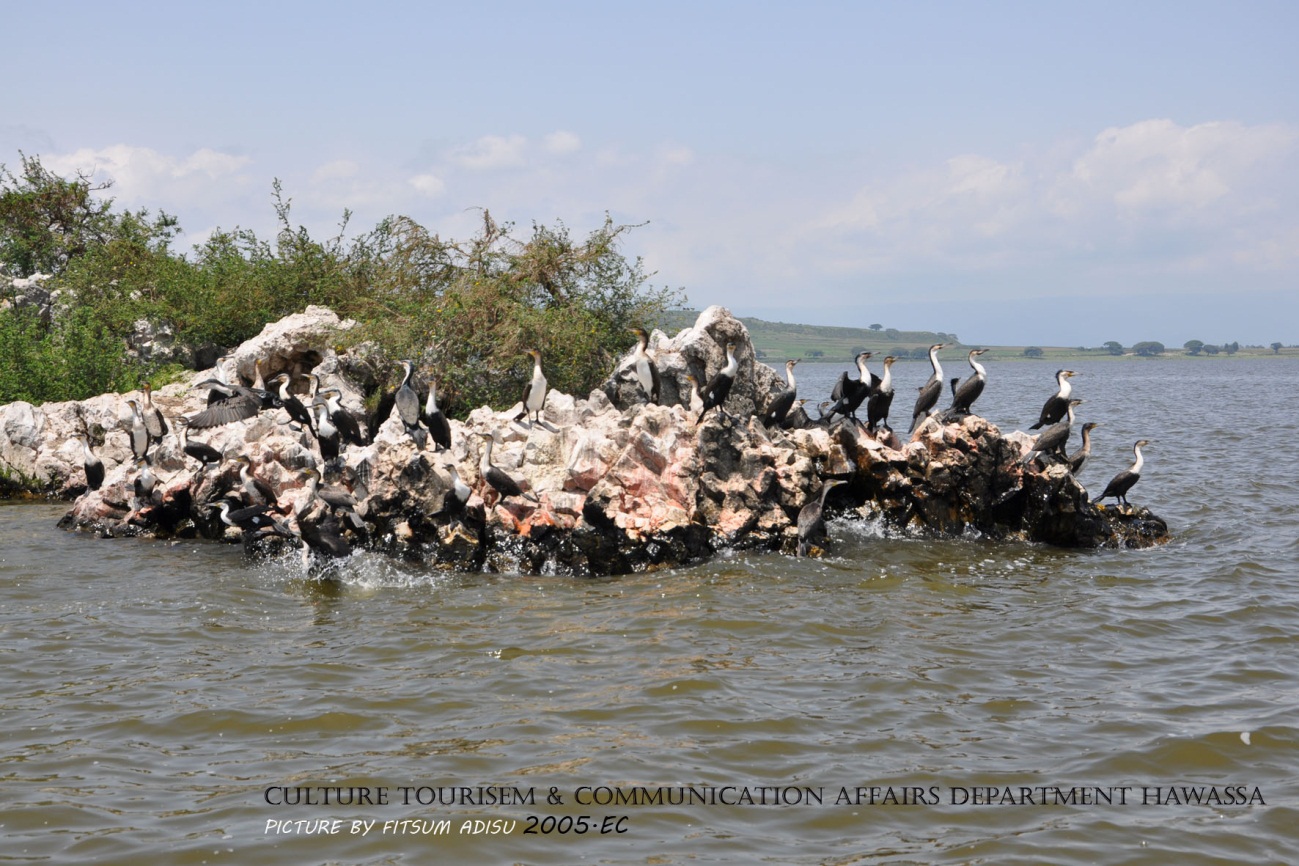
“TehaGoda” Island: - It is a natural gift which is located at the center of the northern direction of the lake. One can reach the island after 45 minutes travel by a boat. It is rich in different aquatic bird species that makes the island an ornithological paradise. It is an ideal spot for bird watching.
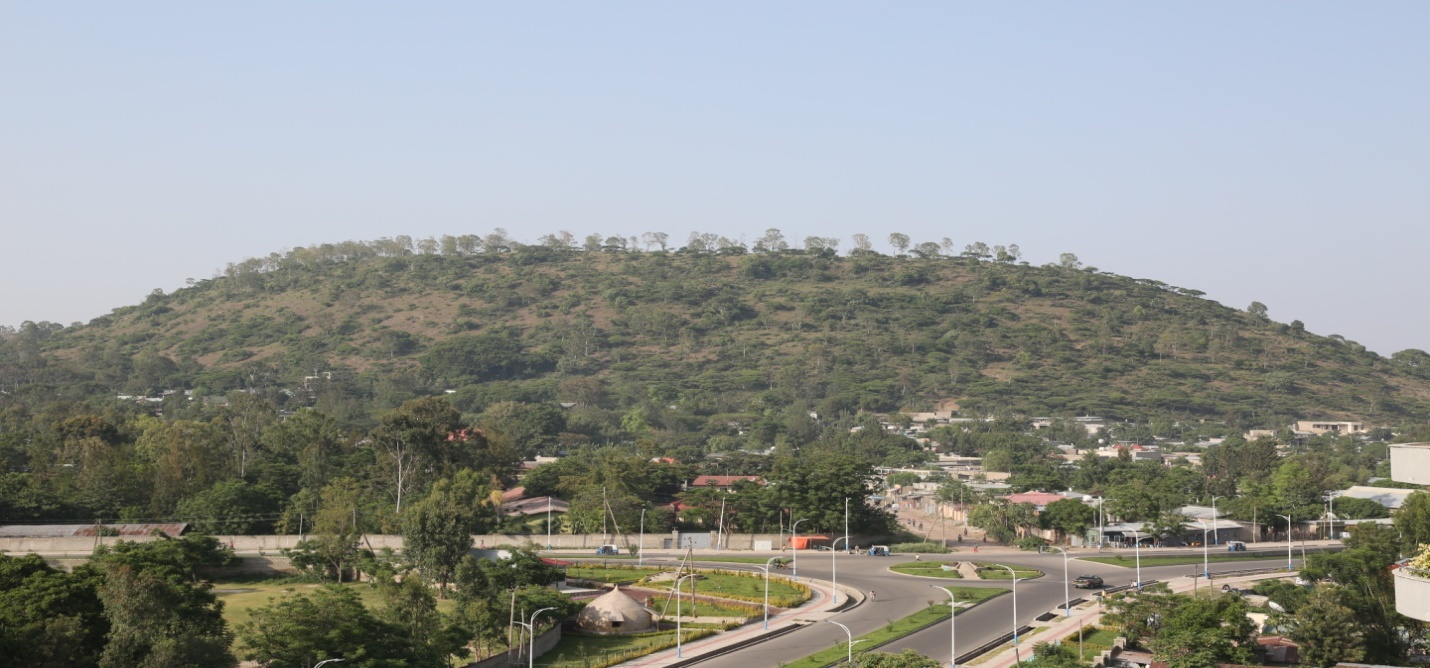
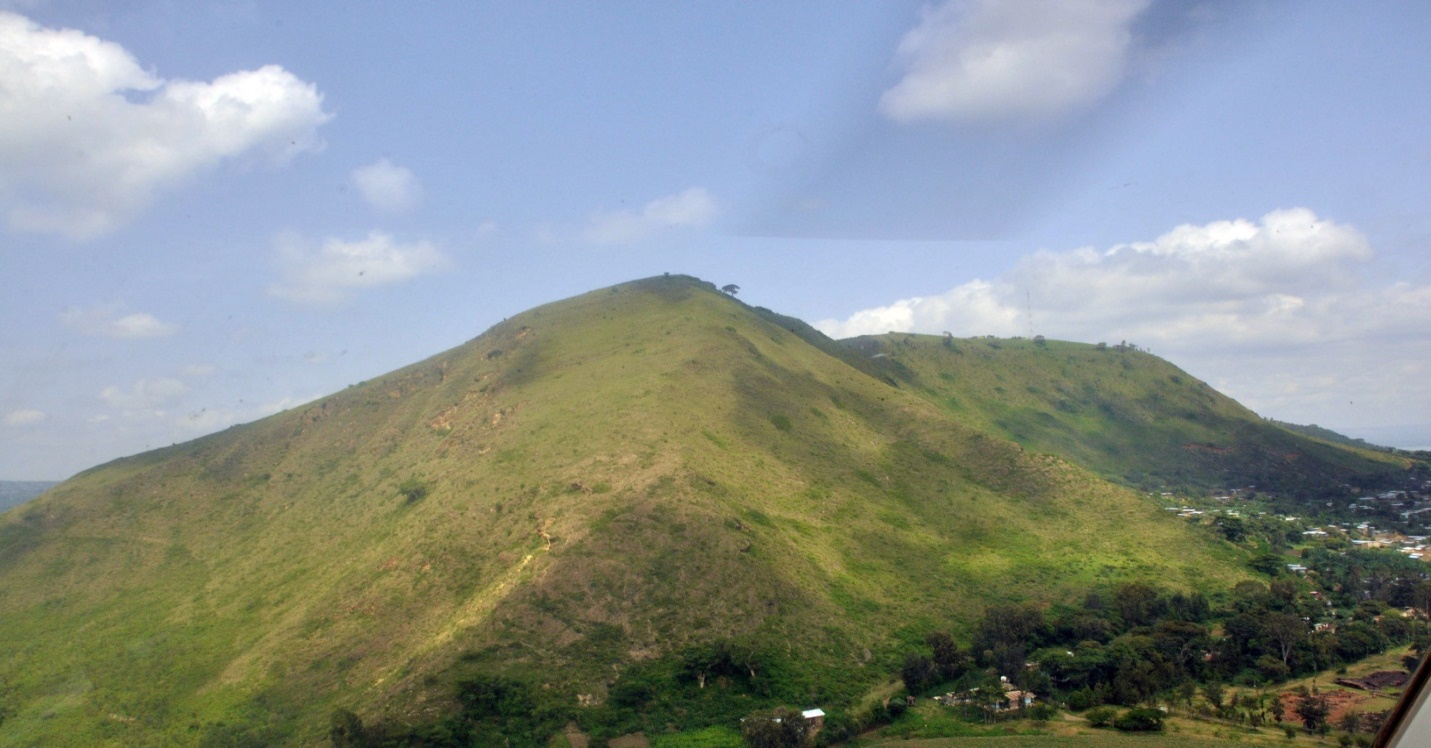
Mount Tabor: - Is a flattened hilltop situated at the southern part of the city. One can climb to the top of the summit to see the beautiful view of the lake and the city. It is picturesque hill, which is perfect for a walk in the afternoon or early morning, and offers beautiful panoramic views across the whole area. It weeps dramatically down to the lakeshore, mirroring the ridge of mountains on the opposite side of the water. There is a path around the top where one can come easily (not too steep climb) to Hawassa University Medical college and hospital which is found on the other side of the lake. It is very suitable for hiking. The mountain was formerly called with two names. The rear part of the hill at the side of referral hospital is known as “Tilte” which means a plate on which cultural food is served in Sidama language. The front part of the hill at the side of the town is known as “Dume” it means “Reddish” in Sidaminga. This is coined because the soil of the hill is fairly red in color.
Mount Alamura: - It is one of the largest mountains situated at the south western end of the city. It is not bounded by the lake, but it is very suitable for the full view of Hawassa city and surrounding villages and the land escape of the surrounding. From the top of the mountain, one can enjoy partial view of the city and the lake which are stretched below it. Paying a visit to this mountain and ascending its top is worth a day of any ones time. It is the habitat of a lot of wild animals; especially hyena is the most dominating wild animal.
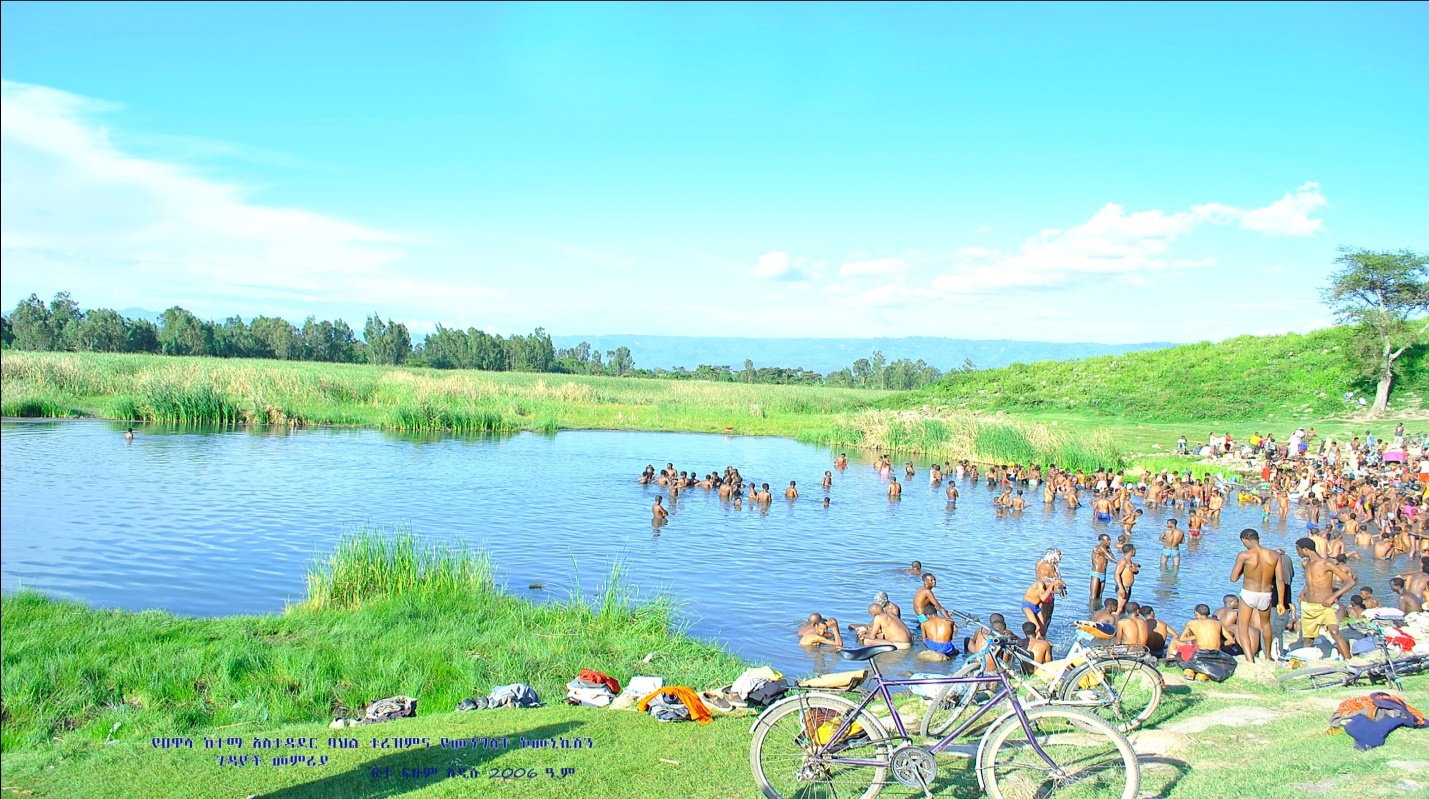
Health and Spa Tourism (Burkito Hot spring)
It is known as a balneology resort because of its mineral springs. The procedure became popular at the end of XV century- They have been used for medical purposes. The noble class used to apply the procedure to relax them. The abbreviation SPA means Sanus per Aquam or health through water. It is believed that the mineral water is especially effective when applied in liver-gall related diseases and anemia. The salt mineralized water is most suitable for external balneal therapy in case of rheumatic, degenerative and inflammatory diseases, as well as in case of traumatic-orthopedic, neurological and gynecological diseases.
Health tourism is defined as the provision of health facilities utilizing the natural resources of the country, mineral water and the natural atmosphere in particular. The development of health tourism and spa tourism as its main sector has been accelerated in the different parts of the world. Natural resources (mineral water, salt, and mud) are still in use, bit overall, integrated provision of body and mind is the trend including wide spectrum of wellness, finesse, medical wellness, etc.
Burqitu is a widely acknowledged SPA tourism in the city. It includes core elements of health and physical wellness which covers a broad spectrum of holistic, curative and preventive nature. The place is well known all over the Sidama region and Oromiya region, especially in Hawassa and the surrounding. It is natural hot spring water located in south eastern direction of the city. The people of Hawassa and the surrounding localities travel around 10 kilo meters to get to the spot.
During the last 50 years Burqitu hot spring has been more popular with its great curative nature. The Burqitu hot spring is highly mineralized and mostly used for drinking, steam bathing and swim bathing. This hot water is estimated to be visited by more people 500 /day. Moreover, the area around the hot spring is used for various cultural and spiritual ceremonies by the people of Sidama. The ceremonies include wonsho, traditional arbitration practices and the like.
Some 60 years ago, the beach side of the lake and the surrounding areas of the lake were totally covered by natural forests and wood lands; and the area on which the city is established was also covered by a densely populated forest. But the forest was cleared before 50 years ago in order to establish the city and for the state farm activities. Despite a larger portion of the forest was destroyed, there still remains a huge and large forest species in the city such as Acacia tree species, Ficusvasta (Warka), Balanieteseygyptica (Bedenna),Chrotonmachrostachys (Bsanna), Chordiaafricana (Wanza), Dodoniaviscosa (Kitkita) and etc. These home-grown or indigenous tree species are considered as a natural heritage in stipulations of their long age. Therefore special attention is required to conserve these natural heritages from being damaged by manmade activities.
Kuyowatta Cannon (Artillery):-found at kuyowatta hill around 6 kilometers away from the city center in the south-western direction. It was made in 1925and its weight is 35 tons. The cannon were brought by Italian troops during the 1945 to 1951 invasion. The troops left the artillery at the hill of kuyowatta when they were driven away from the country by the Ethiopian courageous fighters.
Haranfama Stelae
A stele is the standing stone slab used in the ancient world primarily as a grave marker but also for dedication, commemoration, and demarcation. Although the origin of the stele is unknown, a stone slab, either decorated or undecorated, was commonly used as a tombstone, in the ancient world. According to the meaning above, commemorative stelae are the manifestation of ancients’ (people of the past) of Sidama. It is believed in Sidama culture that the dead were represented on the grave stelae as they were in life, they were as warriors, or combatants or hunters on their participation of social, economic and political affairs. The largest sized stele (2ms in diameter and 5ms in height) in Hranfama, was usually used as commemorative of the earliest men. It is tall and narrow at its top and wide at its base and it has an elliptical shape. Besides to these, some few numbers of stelae are found in the area of Haranfama kebele; and cultural tukuls are found in different sites of the areas.
The Cornerstone
The cornerstone (or foundation stone) concept is derived from the first stone set in the construction of a masonry foundation, important since all other stones will be set in reference to this stone, thus determining the position of the entire structure. The foundation stone often has a cavity into which is placed a time capsule containing correspondents of that specific and projected job of the ceremony plus other artifacts that are typical of the period of the declaration to done that specific work. During 1968, King Haile Silasie has placed a foundation stone on Meskel Square to carry out the shifting of the capital city of “Sidamo” province from Yirgalem to Hawassa, with the King's name and official position and the date usually being recorded on the stone. The shape of the stone is rectangular and is made from a single big stone.
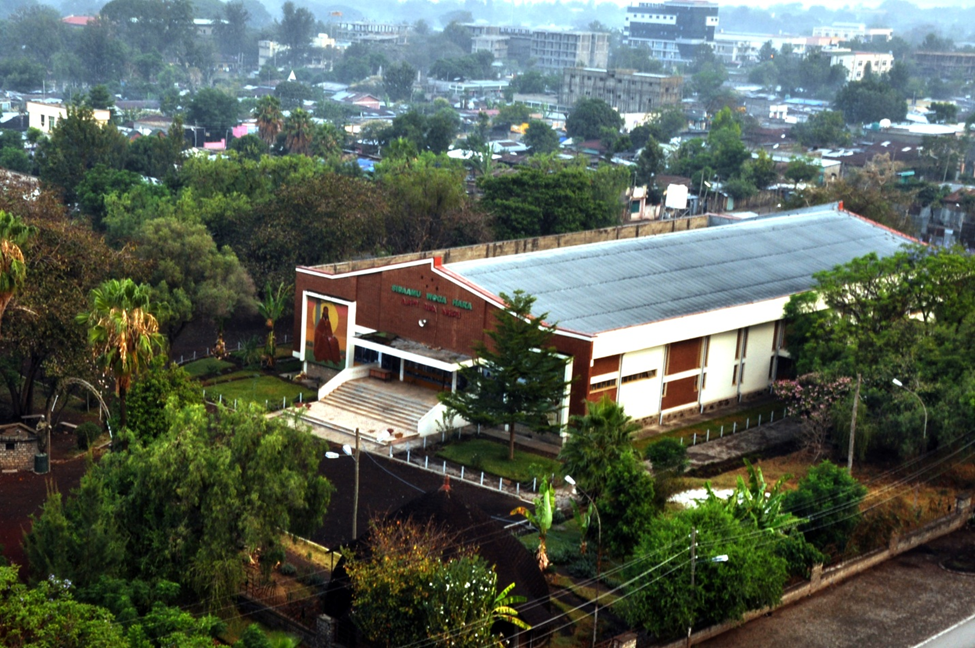
Sidama Cultural Hall
It was inaugurated in 1976 E.C during dergue regime to give various services. This cultural hall was built to serve as Cinema and conference hall for the residence of the city. Currently, the hall has been administrated by Sidama region Culture and Tourism bureau.
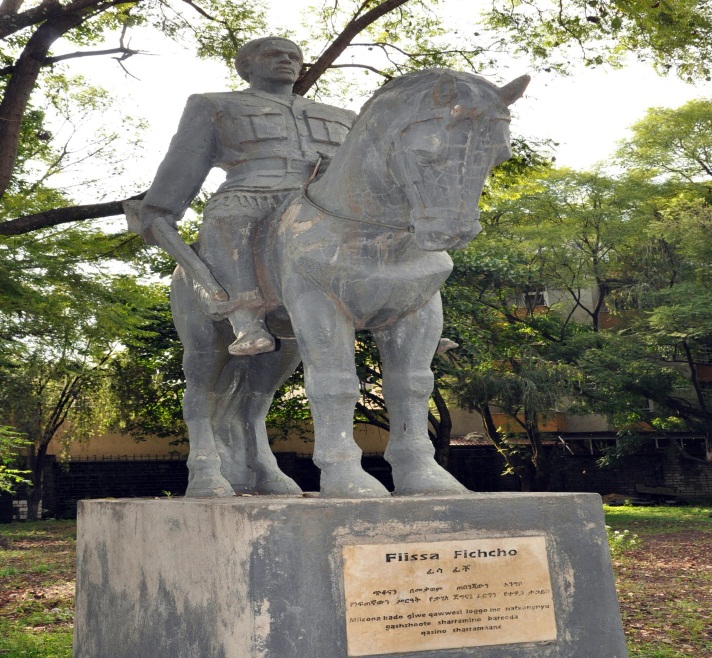
In the compound statues (monuments) are erected near to the main get. The statues have been erected for the memory of Sidama patriots who fought for the right, freedom and democracy of the Sidama people. The memorable heroes among the Sidama were: - Alito Hewano, TekluYota, Mengistu Hameso, Fisa Ficho, Yetera Bole and Balicha Werawo.
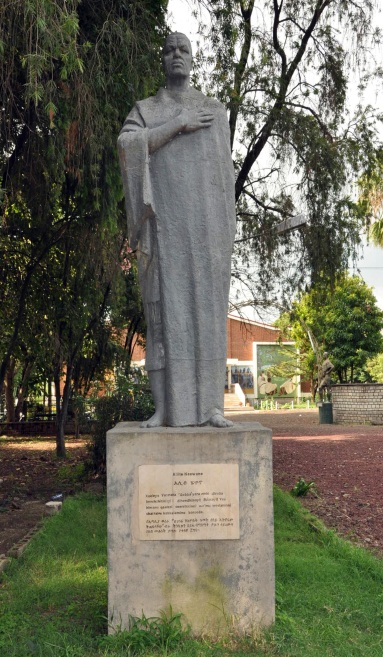
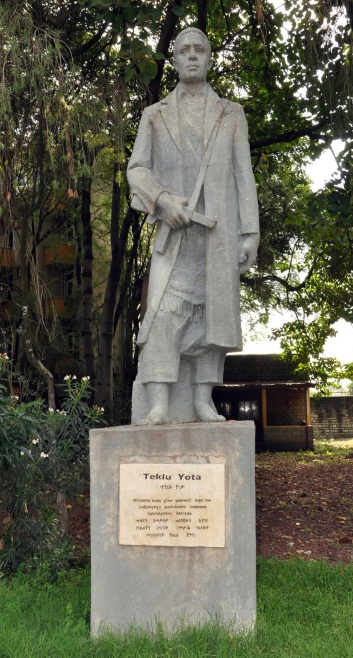
Within the compound there is Sidama cultural house. This house includes some cultural objects. On the wall of the hall there is picture of Queen Fura. Fura was a highly respected queen of the Sidama. It is believed that Fura had major role for Sidama women. In addition, there is also another picture which shows the general assembly of Sidama elder’s songo.
The Sidama cultural hall has been well equipped with modern seats, with offices, shops, and other services. Today the hall constitutes 1500 seats.
The statue of Sidaama Nation “Sidaamu Sumuda”
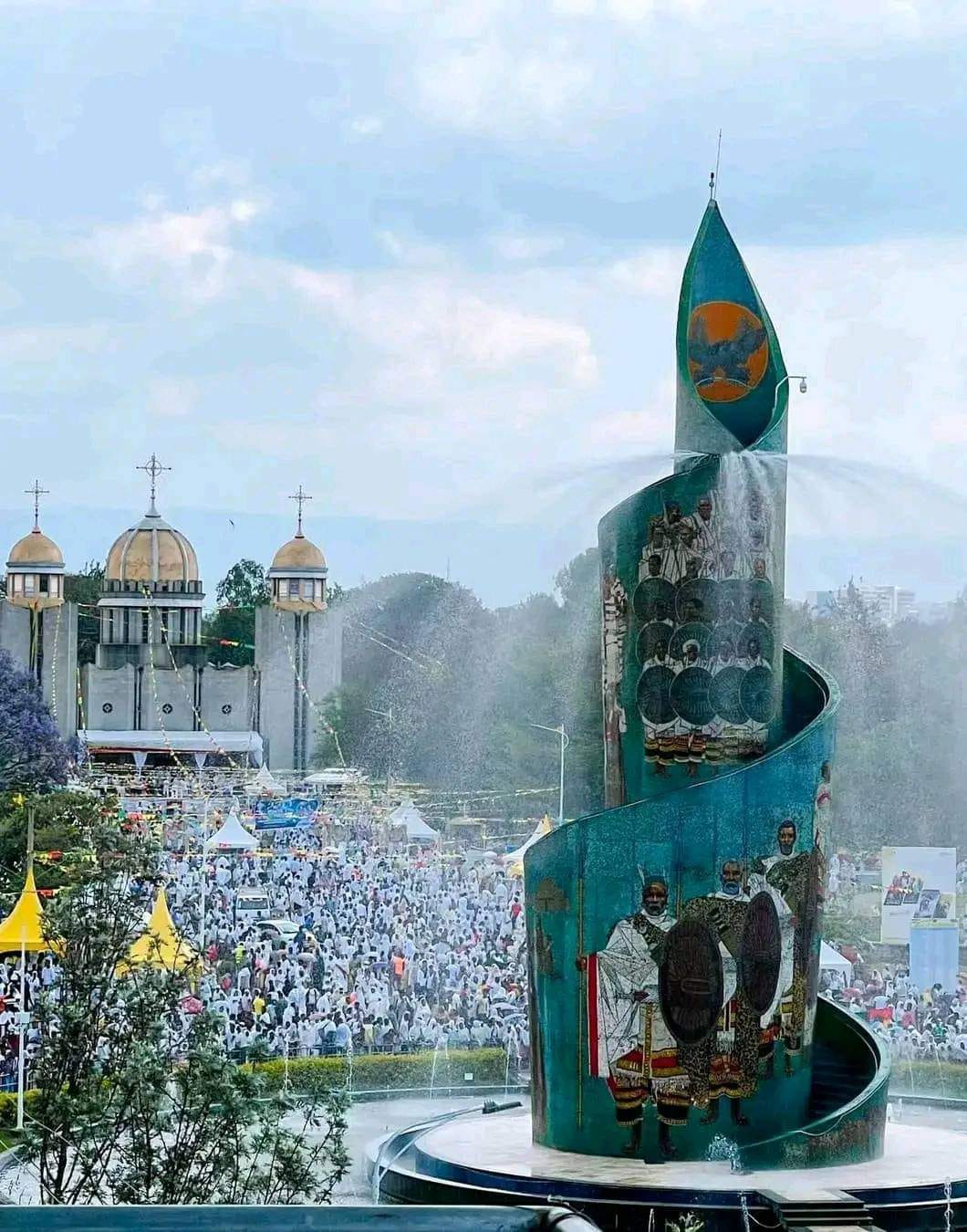
“Sidaamu Sumuda” is a statue of the Sidama nation which is located in front of St. Gabriel Church; in the midst of a square. One can easily notice the statue while traveling from piazza to the church; or can be seen at a distant position. The statue is built by Sidama region administration so as to reveal historical and cultural heritages through it.
“Sidaamu Sumuda” is the name given to the statue is Sidaamu Afoo; which means ‘Identity Sidaama Nation’. It is also called because some of the major cultural and historical heritages of the nation are signified through the mosaic portraits and the overall design of the statue. These can be identified while observing the statue from different angles.
Descriptive (Special features)
The ‘Sidaamu Sumuda’ statue is differently special in its appearance and overall aspects. Some of these are:-
- It illustrates the originating and true identity of the Sidaama nation at once.
- It is built with the latest art of mosaic technology. This makes it the second to be built with this technology next to the statue of Mexico in Addis Abeba.
- It is one of the few tallest statues of the country which possess a maximum height.
It is an aesthetically advanced statue of its kind through the country. The fountains falling from and around the statue have added to its aesthetic value.
The monastery of “Gete Semani”, and its surroundings
A monastery is a special place set aside for meditating and emptying out the clutter of thoughts that can cause a person's mind to become muddled. Monasteries are buildings that house monks or nuns of a certain denomination but are also open generally to visitors to rest or pray. Monasteries exist in Christian cultures but are also found in Buddhism and Hinduism. In the Roman Catholic religion and to some extent in certain other branches of Christianity, there is a somewhat more specific definition of the term.
The monastery of “Gete Semani” is located in the south west direction, 5km away from the city in a special place called “kuyuwata”; which is a mountainous structure situated at “tulo” kebele.
It is believed that the monastery was established by a catholic priest named Father Adelmo in march 1994 EC; and have been serving as an ideal place to pray and carryout other religious practices for both local and foreign catholic religion followers. Moreover; being situated at the shore of Lake Hawassa, the monastery is full of natural beauty that it plays a major role as one of a tourist attraction sites of the city.
In addition to that; the monastery is situated in a mountainous structure that it allows one to have a great view of the city and the surrounding natural beauty.
The internal aspect of the monastery is of a great wonder by itself. In addition to having one worship section, there are three rock hewn sections which are one story high each. The monastery is built in such an environmental friendly way that its architectural aspect is one of a great kind.
In addition to that the two manmade caves which are built below two oak trees next to the monastery have added its value as a major attraction site in the city. Besides, the complete silence surrounding the area makes it to be one of a favorite place for religious purposes.
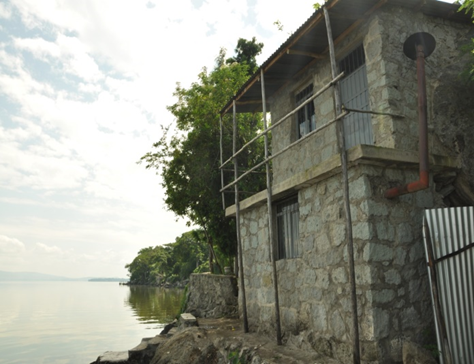
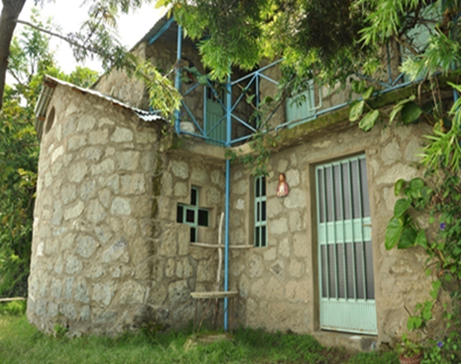
Lately, a number of development and investments activities have been carried out around the monastery and its surrounding area. Some of which include; a pig ranch, cultural lodge and an environmental protection projects such as afforesting the area with environmental friendly and native tree specious.
The monastery is located short distance away from “Loke, Bushilo” clinic that one can visit the area without any difficulty. The other, but worth mentioning aspect of the area is that it is full of different bird specious, making it favorable for different sanctuary activities. A flock of aquatic specious such as alligators (Arjano) can also be observed at a near distance from the monastery.
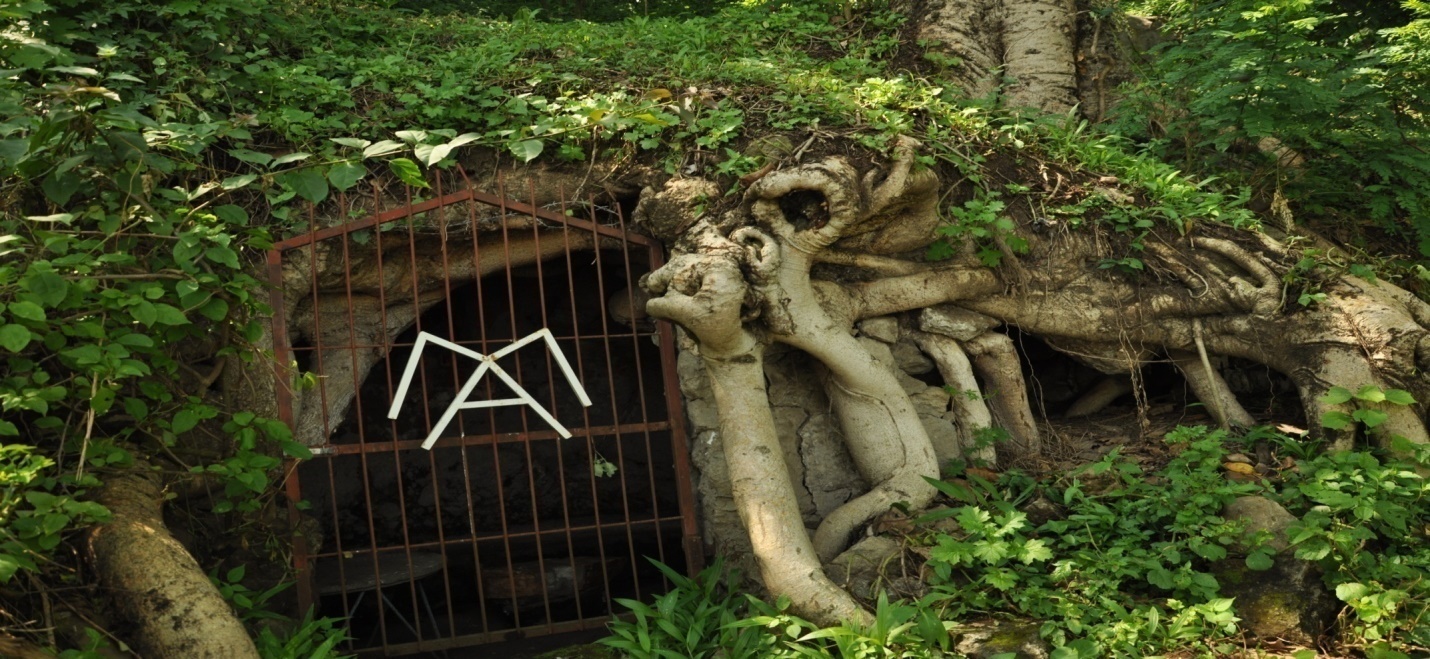
Saint Gabriel Church
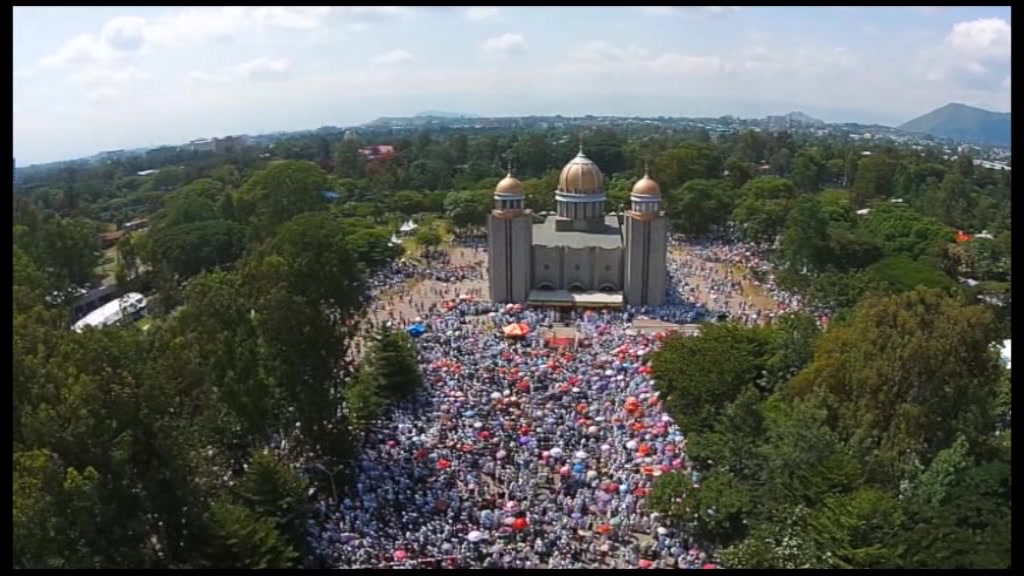
This is a modern Orthodox church with its golden dome found in the center of Hawassa city, the interior is decorated with beautiful and colorful murals. Every year on July 27th & December 27th annual feast of the Archangel Saint Gabriel is specially celebrated. People dressed in white traditional costumes come to attend the festival from all over the country.
Diversity as Tourist Attractions
What makes the city, Hawassa, different from other cities of the country and also from other parts of the world is the composition of different nations, nationalities and peoples of the country in it. Currently ethnic diversities of the country are believed to live in the city of Hawassa. It is due to this fact that the city got its brand names such as “city of diversity”, “harmonious city” and simply “the mini Ethiopia”. The city also hosts the various traditional practices, cultural values and customs of the different nationalities of the country. This fact adds to the tourism potential of the city at large.
Religious festivals
The city hosts numerous religious festivals and celebrations every year. Some are listed below.
Saint Gabriel religious festival:-This ceremony takes place each year at the end of January and it is celebrated under the religious rules of Ethiopian Orthodox Church. The festival is very fascinating and colorful many visitors that are coming from every corner of the country as well as from foreign countries attend the day.
Feast of Epiphany (Timket)
On the half of January priests move to “tabot” symbolizing the arc of covenant form each church to lake side square Timkete Bahir, where the water in the lake or in the pool is blessed and celebration is healed in the morning. Churches bring their “tabots” to this place accompanied by priests breading prayer sticks and straining bells and blowing trumpets swinging censors of burning incense, accompanied by a large congregation of respective locality.
The feast falls on the next day.
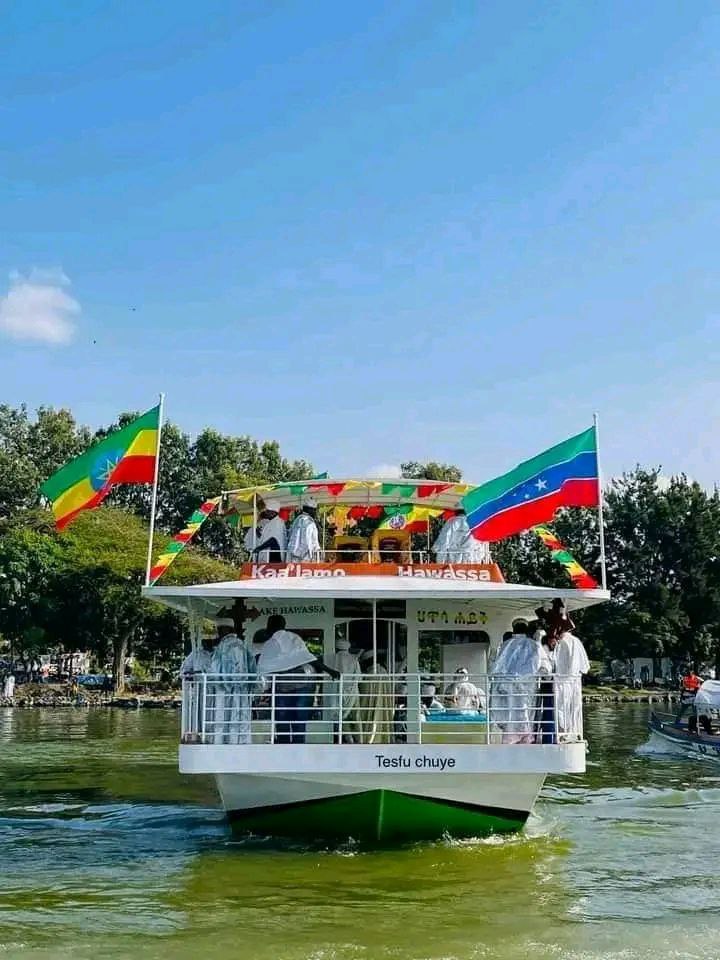
Meskel is the great festivals in Hawassa city and literally meskel means cross. The Meskel festival commemorates the discovery of the true cross. Meskel is celebrated at meskel square on September where green tree topped with daisies, is planted to form the towering pyramid of bundles of eucalyptus twinges called “chibbo” on the eve of meskel. Thousands of people assemble at meskel square to celebrate the finding of the true cross and to well come the season of flower and golden sunshine called day after burning of “Damera”. The people returns home with jubilation. In some societies of the surrounding the celebration may continue for months. The only distinctive feature of the celebration here in the city is its commemoration by diver’s social entities with different languages and dances. For the one how have the interest of visit the region as well as the countries, without exaggeration he or she can see while the people of the city commemorating the epiphany.
Christmases, Ed-al-Fatir, Ethiopian Easter, Ed-al Adha, are also another major holidays that are celebrated in the city equally as the rest holidays. For the celebration the government of the city even facilitates ways for an elegant celebration of the holidays. For instance, whenever the Muslims commemorate the holidays, more specially Ramadan festivals on Ed-al-Fatir then you use grand square of the city named; meskel square. Similar religious holidays conducted by the Orthodox Christians and Evangelical sects are also carried out in this spatial square.
Ramadan: - The ninth month of the Islamic year was the month in which the Prophet Mohamed, peace by upon him, received his first divine revelation from the Angel Gabriel. For this reason it was chosen by the prophet as a month of fasting, a time in which every Muslim could “cultivate piety”.
During Ramadan, Muslims are exhorted to read the whole of the Holy Qur'an. The "Night of Ordainment", the night during which Muhammad received his first revelation, falls towards the end of Ramadan. On this night, the Holy Qur'an tells Muslims that Allah sets the course of the world and all human affairs for the coming year. Eventually, at the end of the fasting day the hall Muslimism people has been arrive to Meskel square in order to celebrate Ramadan on Ed-al-Fatir together.
Traditional festival
Fiche chambalala
The sidama nation has its own New Year so called Fiche. It will be celebrated for two weeks colorfully every year. The sidama have their own calendar which a week has five days and a month twenty eight days.
Fiche does not fall on the same day every year but it falls on “Qawado”, the first day of the week. The day is determined by elders who practice astrology and announce it to the communities. Fiche is commonly celebrated at Gudumale on the shore of the lake Hawassa where thousands of sidama and people from other ethnic group gathered and celebrate together.
At the evening of Fiche, each fresh family head makes "huluqa” (arch) from fresh woods in front of the house and makes every members of the family, even the cattle, pass through it. This is done to symbolize the transition process. During the night of the holiday, People of the village gather around in one of the village’s elder people and have cultural meals together.
In the next day after Fiche is called Cambalala. On this day the family head shall wear his traditional custom and shall feed his cattle in “callo” (protected pasture area) by sparking ‘bole’ salty soil and pass the day feeding and looking after them. This ceremony has healed in the city of Hawassa near to Lewi Resort on the places called Gudumale once a year.
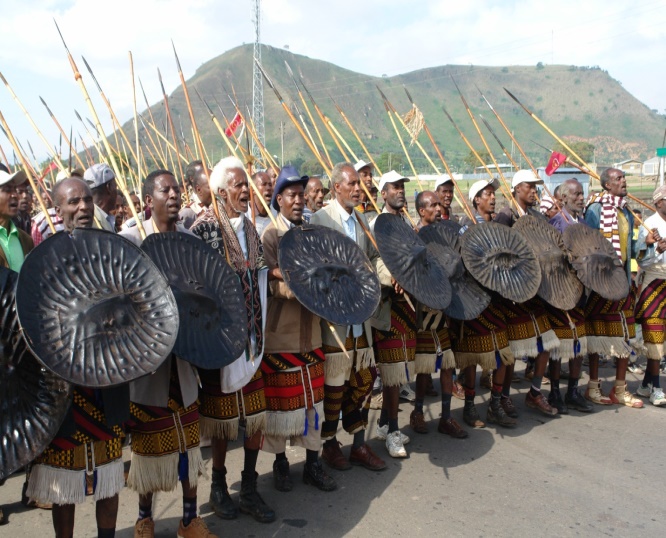
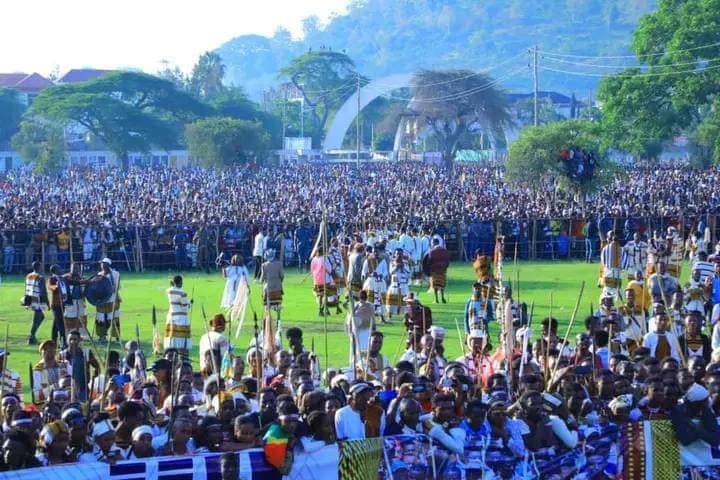
Luwa System:- Cultural institution in Sidama in which male members of the community make participations to get social status, social rank, and transition to efficient elder ; furthermore it is an institution in which each male gives defense service through luwa participation. This attractive activity is done in the cultural Sidama villages surrounding the city.
Traditional Judiciary System of Sidama People
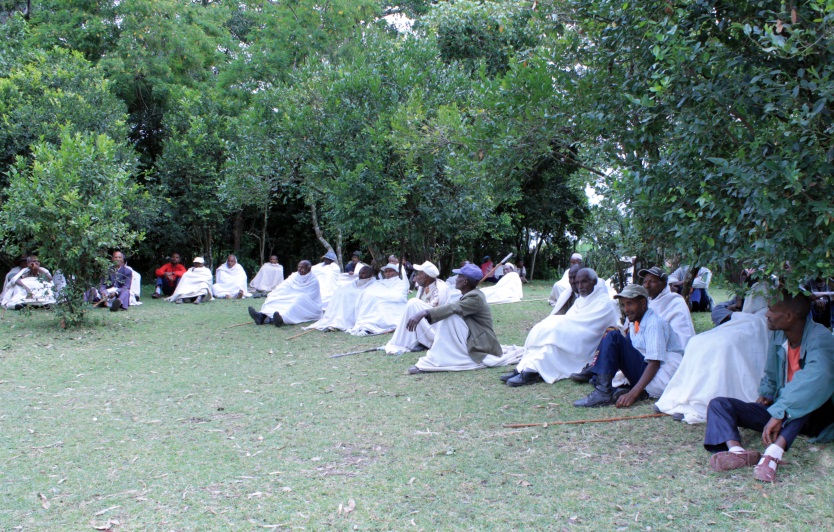
The alternative dispute resolution is practiced in many nations and nationalities in Ethiopia, amongst Sidama are one of the nations which practices transitional alternative dispute resolution.
The place where the activity takes place is called Gudumales, which are structured in hierarchical chain of power. The cases submitted to the tribunal are dealt with depending on their magnitude. The tribunal begins step by step move to process of forgiving judgment.
The judiciary system reduces and discourages criminal acts in a strategic and artistic way; and it avoids unnecessary bloodshed. It quarrel arises among individuals; or conflicts happen between clans, or if any incidents that may cause blood shedding are come about, they all get solution and just judgments by the tribunal of the shongo, where there is justice, peace prevails. If there is anyone who desire to visit this traditional judiciary system may come and visit tullo and daato odahe.
Getting Hawassa and away
It is leis on the surfaced road from Addis Abeba to Moyale. The 275 kilometers drive from Addis Abeba takes three to four hours. The 25 kilometers stretch between Shashemene and Hawassa can normally be covered in less than half an hour. Coming to Hawassa is note that a high population of public transport from destination to the north, east and west will terminate at Shashemene. This is not a major inconvenience, as a steady stream of mini-buses covers the 25 kilometer road between Shashemene and Hwassa, so you would be unlikely to wait more than 15 minutes for onward transport. Buses from destination to the south such as Moyale and NegeleBorena, will normally stop at Hawassa before continuing on to Shashemene. The oldest bus station in Hawassa is 15 minutes’ walk from the main road and around half an hour by foot from lake side hotels.
Further newly built second bus station is located around 2 kilo meters from the previous one to southern direction of the city in the egress of via Yergalem near to mount Alamura. So you might want to catch a horse pull or drawn cart in to the town. Most transport coming from the direction of Shashemene does follow two main roots. The first root is follow lakeside road in to town and it also has another branch that follows the left side of SOS village to the town and bus station. The second one in this root is direct to Medhanialem church (one of the Orthodox church) near to lake side in to town, before turning in to the main road at the roundabout between Circle of life hotel and commercial bank of Ethiopia Hawassa branch. So you can ask to be dropped some where more convenient before reaching the bus station. The second main road is stretched from Tihurwuha (Black river in English) to the left of south spring hotel direct to Industry Park near of Lewi garden to the main bus station or to the hub of the city.
When you are ready to move from Hawassa its subservience to Shashemene as a transport hub should be taken in to account. There are at least more than four buses such as Selam bus, Habesha bus, Sky bus, Abay bus, Ethio bus and etc. and a lot of mini-buses daily running directly Hawassa to Addis Abeba via Zeway, as well as from Hawassa to Arbaminch via Sodo.
Buses from Shashamene to destination along the Moyale road must pass through Hawassa, but there is no guarantee that you will get a seat if you wait for them there. For other destination, you will generally have to catch a minibus through to Shashemene first. For relatively nearby towns, such as Sodo or Dodola; this is not a major concern, as transport leaves from Shashemene throughout the morning. For longer hauls, for instance to Goba or Moyale, the first out going buses tend to leave Shashemene in the early morning and throughout the day.
There is another mode of transportation called airport, which is newly established and located in the North-East direction of the city. 30 minutes flight is needed to arrive from Bole International airport to Wendotika airport. After landed in Wendotika, you need to drive 20 minutes to rich Hawassa in mini-bus taxi.
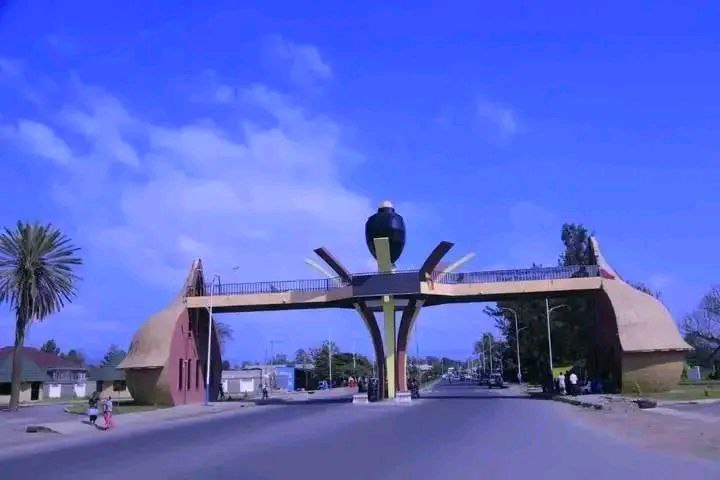
The Gate to Hawassa City
The most passionate greeting in the world (The Magic Word “Dawo’eBushu”)
There are different kinds of greeting manners among the world society. These manners are reflected through a variety of gestures such as hand shaking, hugging, kissing, and also through words. People reflect good wish, wellbeing, love and good faith through greetings. However, The Sidama nation has a distinct and more passionate way of greeting one another. All kind of the gestures are used but what makes the nations way of greeting different is the ‘word’ they use when greeting someone.
“Da’e bushu” is the first word one hears when greeting an individual from the Sidama nation. When greeting someone, the nation uses this word as a way of showing greater respect and deeper passion to the second party involved in the meeting.
“Dawo’eBushu” being the actual word, is usually used in its shorter form ”da’ebushu”. The word is made up of a verb “Dawo’e” means “Let it come to me” Or “on me or let if fall on me” and a noun “Bushu” which simply means “dust”. When combined together these two words make a direct meaning of “Let a dust come all over me”. As a result, one can understand the deeper value, respect and affection the Sidama nation has to one another and to the second party involved in the greeting without any discrimination.
The Gurage nation also uses almost similar greeting manners the Sidama nation “Yetenbi” is the word used by the Gurage which has almost similar meaning with the “Da’eBushu” of the Sidama. Although “Let a dust come all over me” is it’s direct meaning the magic greeting word “Da’e Bush” has been long used by the Sidama nation to show a greater respect and passion to the world people in general and also to show how respectful and loving society they are themselves.