 046-223-44-55
  046-223-33-44
  146
146 
Loke Palace
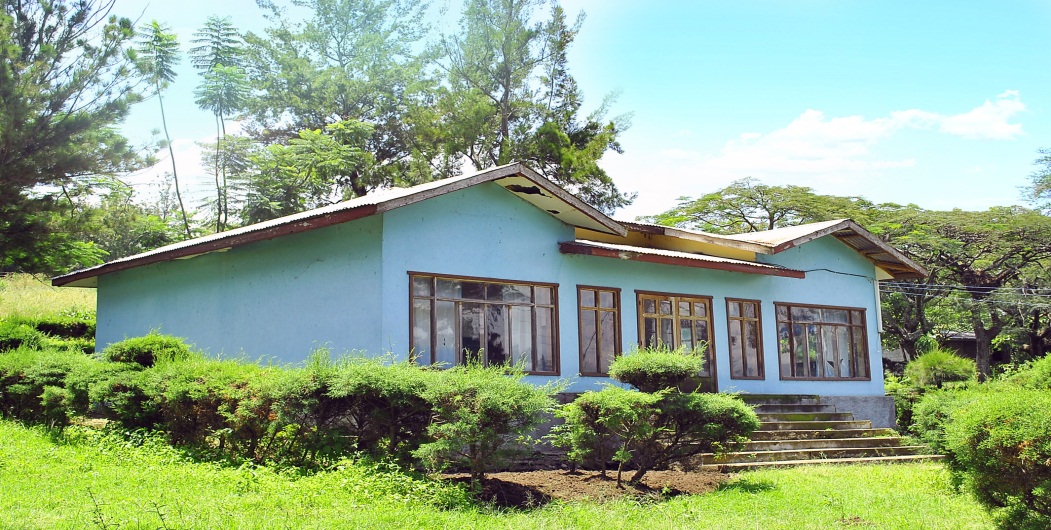
It is situated 6 kilo meters south-west from Hawassa city center. It was established and inaugurated in 1951 E.C. with the presence of emperor Hailesilassie. In 1949E.C. the construction of the palace was started at Loke. This palace was purposefully built as a temporary stay for the king. In 1950 the finance and materials for the construction of the palace was allocated along with enough man power and the construction was completed in 1951E.C. The palace comprises one big and six medium sized beautiful houses. The largest room of this palace was used for dinning. There was relatively large dining hall too. During the Dergue regime seven houses of the palace were made offices of farmers’ cooperatives. The dining hall with additional rooms is being used as an elementary mission school at present. The palace is currently administered by Hewet Birhan Church.
Kuyowatta Cannon (Artillery):-found at kuyowatta hill around 6 kilometers away from the city center in the south-western direction. It was made in 1925and its weight is 35 tons. The cannon were brought by Italian troops during the 1945 to 1951 invasion. The troops left the artillery at the hill of kuyowatta when they were driven away from the country by the Ethiopian courageous fighters.
Haranfama Stelae
A stele is the standing stone slab used in the ancient world primarily as a grave marker but also for dedication, commemoration, and demarcation. Although the origin of the stele is unknown, a stone slab, either decorated or undecorated, was commonly used as a tombstone, in the ancient world. According to the meaning above, commemorative stelae are the manifestation of ancients’ (people of the past) of Sidama. It is believed in Sidama culture that the dead were represented on the grave stelae as they were in life, they were as warriors, or combatants or hunters on their participation of social, economic and political affairs. The largest sized stele (2ms in diameter and 5ms in height) in Hranfama, was usually used as commemorative of the earliest men. It is tall and narrow at its top and wide at its base and it has an elliptical shape. Besides to these, some few numbers of stelae are found in the area of Haranfama kebele; and cultural tukuls are found in different sites of the areas.
The Cornerstone
The cornerstone (or foundation stone) concept is derived from the first stone set in the construction of a masonry foundation, important since all other stones will be set in reference to this stone, thus determining the position of the entire structure. The foundation stone often has a cavity into which is placed a time capsule containing correspondents of that specific and projected job of the ceremony plus other artifacts that are typical of the period of the declaration to done that specific work. During 1968, King Haile Silasie has placed a foundation stone on Meskel Square to carry out the shifting of the capital city of “Sidamo” province from Yirgalem to Hawassa, with the King's name and official position and the date usually being recorded on the stone. The shape of the stone is rectangular and is made from a single big stone.
Sidama Cultural Hall
It was inaugurated in 1976 E.C during dergue regime to give various services. This cultural hall was built to serve as Cinema and conference hall for the residence of the city. Currently, the hall has been administrated by Sidama region Culture and Tourism bureau.
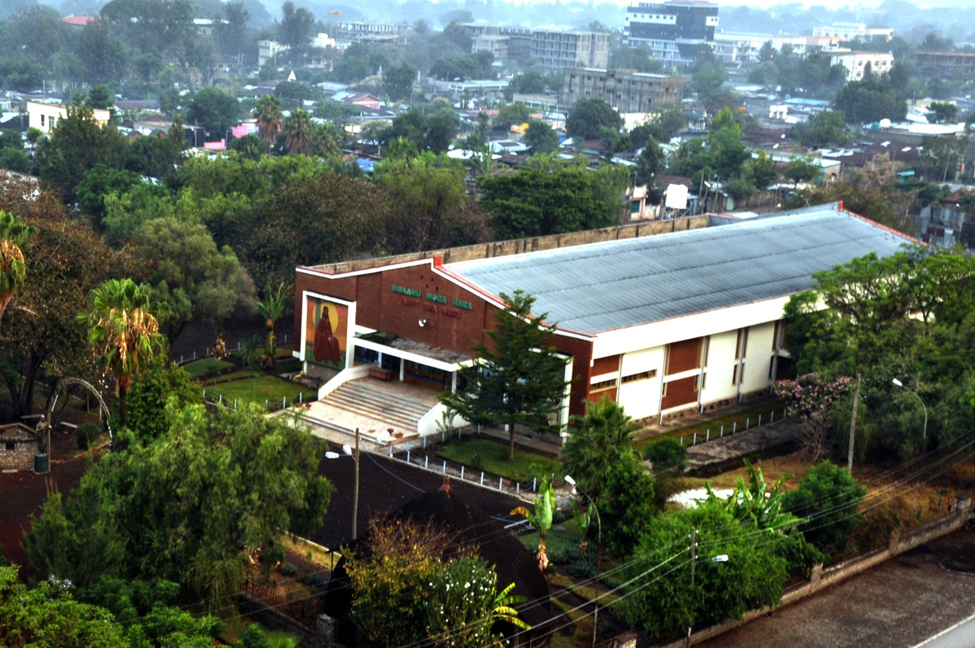
In the compound statues (monuments) are erected near to the main get. The statues have been erected for the memory of Sidama patriots who fought for the right, freedom and democracy of the Sidama people. The memorable heroes among the Sidama were: - Alito Hewano, TekluYota, Mengistu Hameso, Fisa Ficho, Yetera Bole and Balicha Werawo.
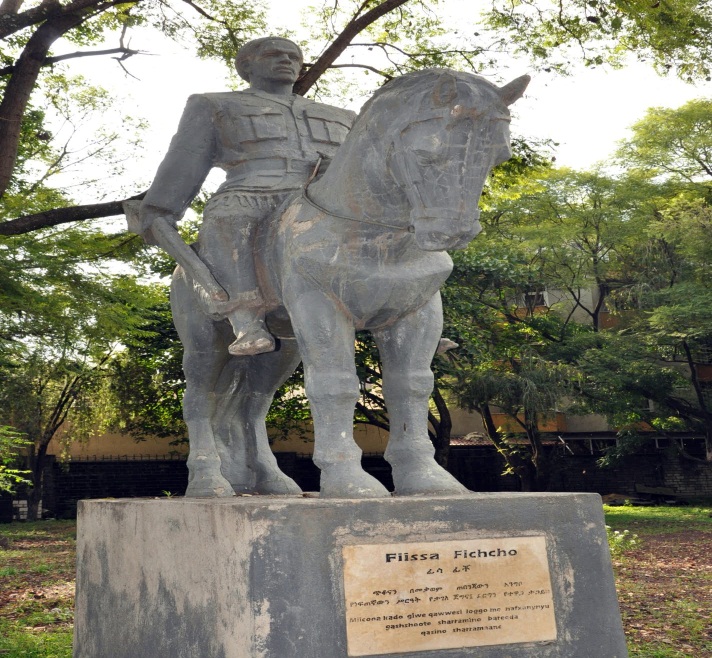
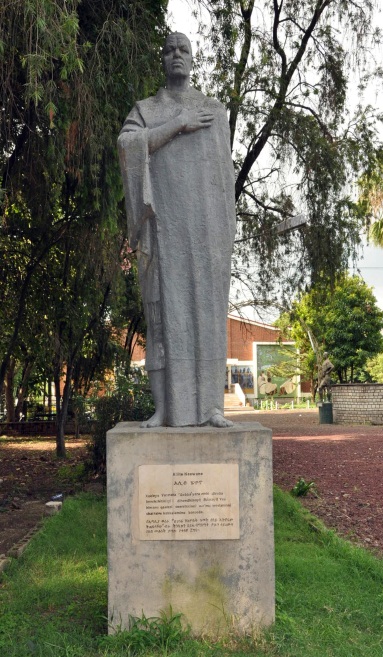
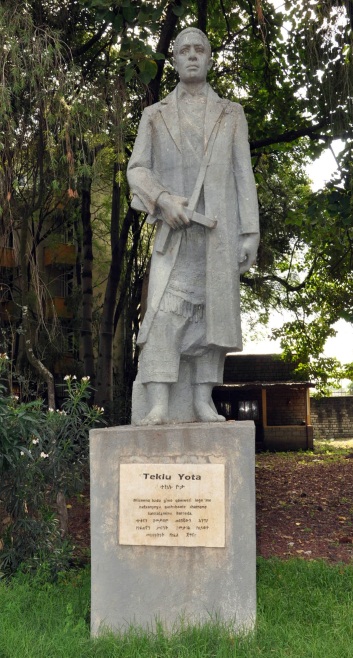
Within the compound there is Sidama cultural house. This house includes some cultural objects. On the wall of the hall there is picture of Queen Fura. Fura was a highly respected queen of the Sidama. It is believed that Fura had major role for Sidama women. In addition, there is also another picture which shows the general assembly of Sidama elder’s songo.
The Sidama cultural hall has been well equipped with modern seats, with offices, shops, and other services. Today the hall constitutes 1500 seats.
The statue of Sidaama Nation “Sidaamu Sumuda”
“Sidaamu Sumuda” is a statue of the Sidama nation which is located in front of St. Gabriel Church; in the midst of a square. One can easily notice the statue while traveling from piazza to the church; or can be seen at a distant position. The statue is built by Sidama region administration so as to reveal historical and cultural heritages through it.
“Sidaamu Sumuda” is the name given to the statue is Sidaamu Afoo; which means ‘Identity Sidaama Nation’. It is also called because some of the major cultural and historical heritages of the nation are signified through the mosaic portraits and the overall design of the statue. These can be identified while observing the statue from different angles.
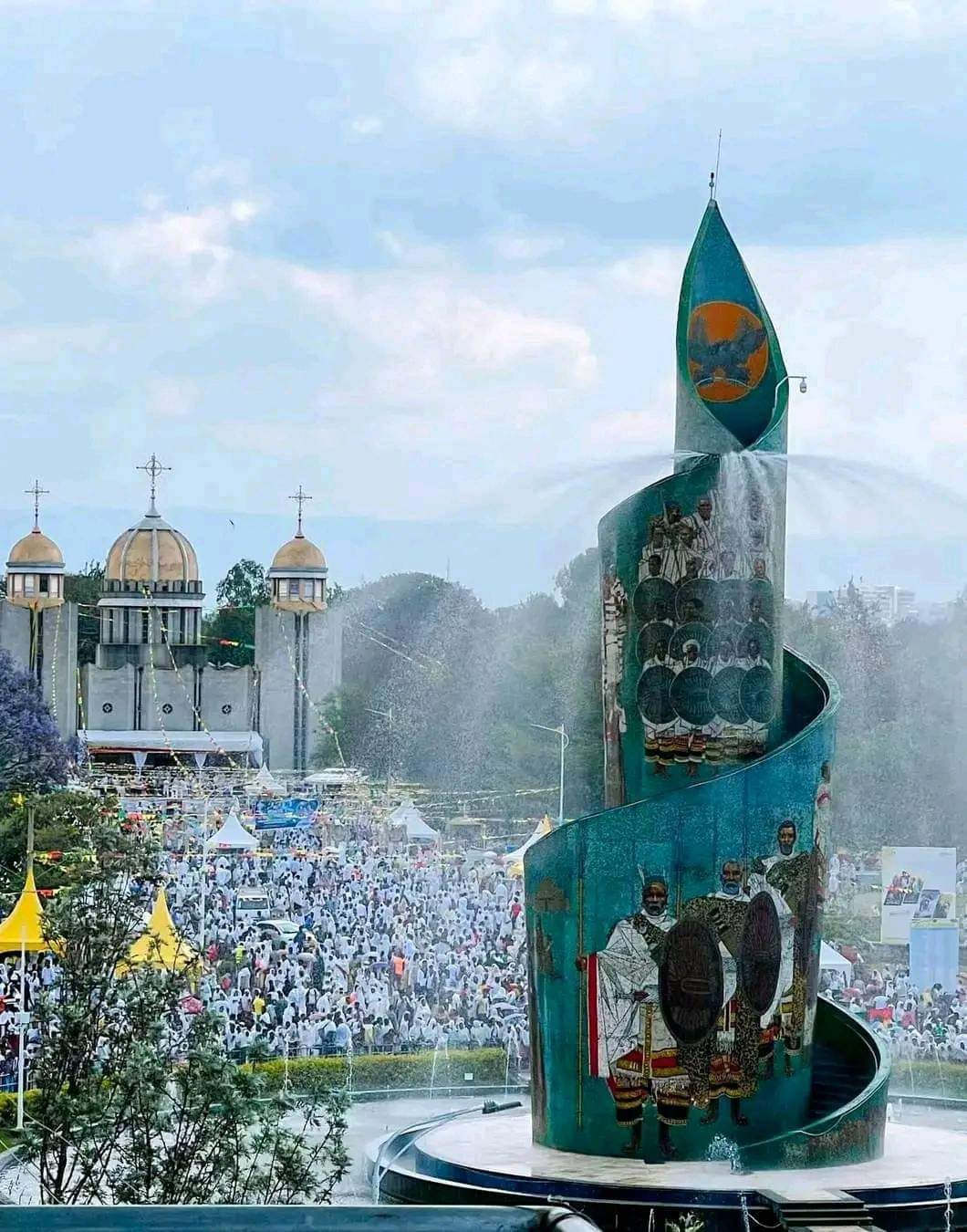
Descriptive (Special features)
The ‘Sidaamu Sumuda’ statue is differently special in its appearance and overall aspects. Some of these are:-
- It illustrates the originating and true identity of the Sidaama nation at once.
- It is built with the latest art of mosaic technology. This makes it the second to be built with this technology next to the statue of Mexico in Addis Abeba.
- It is one of the few tallest statues of the country which possess a maximum height.
It is an aesthetically advanced statue of its kind through the country. The fountains falling from and around the statue have added to its aesthetic value.
The monastery of “Gete Semani”, and its surroundings
A monastery is a special place set aside for meditating and emptying out the clutter of thoughts that can cause a person's mind to become muddled. Monasteries are buildings that house monks or nuns of a certain denomination but are also open generally to visitors to rest or pray. Monasteries exist in Christian cultures but are also found in Buddhism and Hinduism. In the Roman Catholic religion and to some extent in certain other branches of Christianity, there is a somewhat more specific definition of the term.
The monastery of “Gete Semani” is located in the south west direction, 5km away from the city in a special place called “kuyuwata”; which is a mountainous structure situated at “tulo” kebele.
It is believed that the monastery was established by a catholic priest named Father Adelmo in march 1994 EC; and have been serving as an ideal place to pray and carryout other religious practices for both local and foreign catholic religion followers. Moreover; being situated at the shore of Lake Hawassa, the monastery is full of natural beauty that it plays a major role as one of a tourist attraction sites of the city.
In addition to that; the monastery is situated in a mountainous structure that it allows one to have a great view of the city and the surrounding natural beauty.
The internal aspect of the monastery is of a great wonder by itself. In addition to having one worship section, there are three rock hewn sections which are one story high each. The monastery is built in such an environmental friendly way that its architectural aspect is one of a great kind.
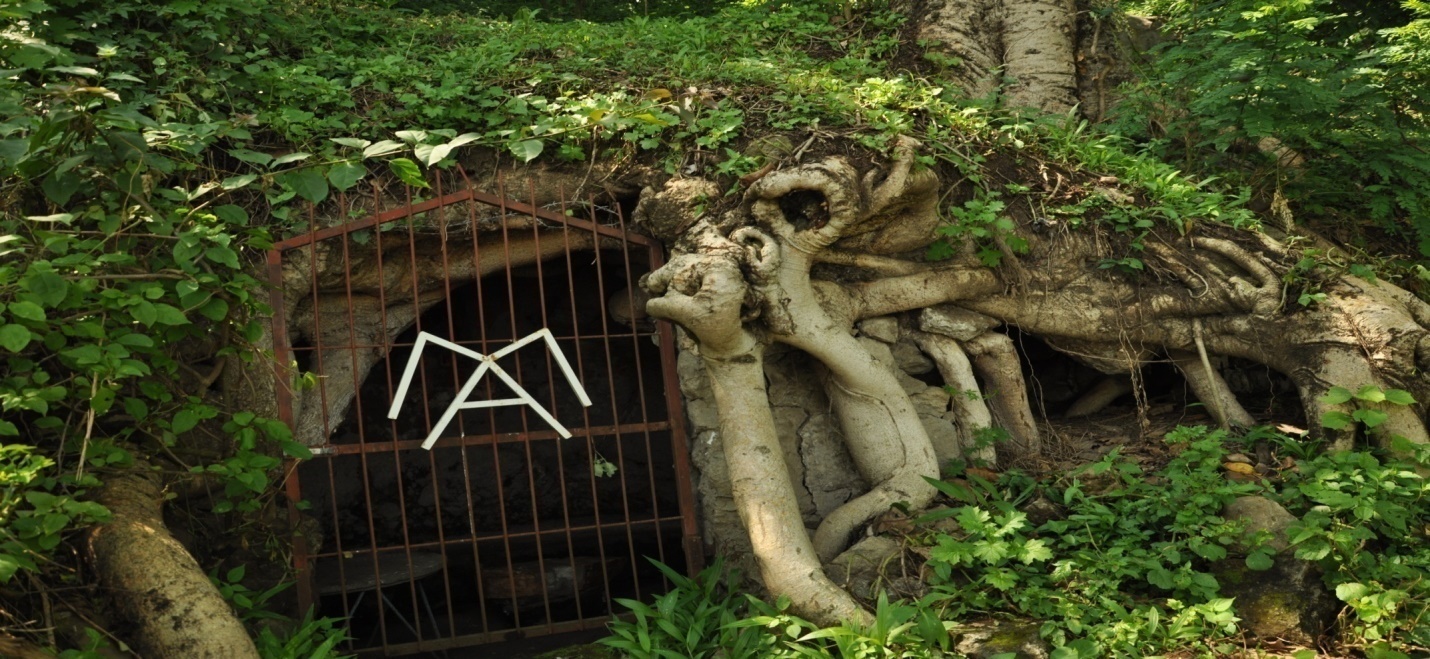
In addition to that the two manmade caves which are built below two oak trees next to the monastery have added its value as a major attraction site in the city. Besides, the complete silence surrounding the area makes it to be one of a favorite place for religious purposes.
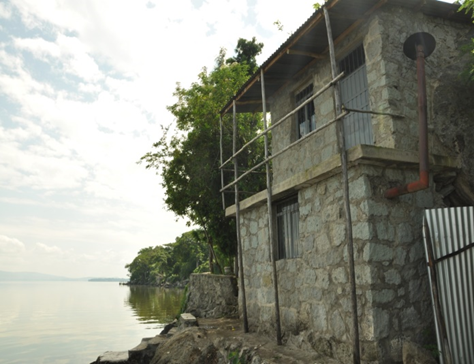
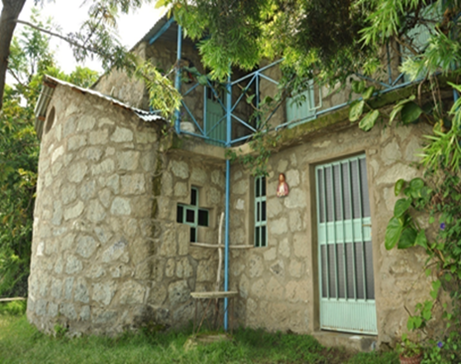
Lately, a number of development and investments activities have been carried out around the monastery and its surrounding area. Some of which include; a pig ranch, cultural lodge and an environmental protection projects such as afforesting the area with environmental friendly and native tree specious.
The monastery is located short distance away from “Loke, Bushilo” clinic that one can visit the area without any difficulty. The other, but worth mentioning aspect of the area is that it is full of different bird specious, making it favorable for different sanctuary activities. A flock of aquatic specious such as alligators (Arjano) can also be observed at a near distance from the monastery.